

Valtrax Research is opening — leave your email and we'll ping you the moment the first compounds are listed.

Every lot tested by Janoshik Analytical

07 / Shelf

Skin & Cosmetic Peptides

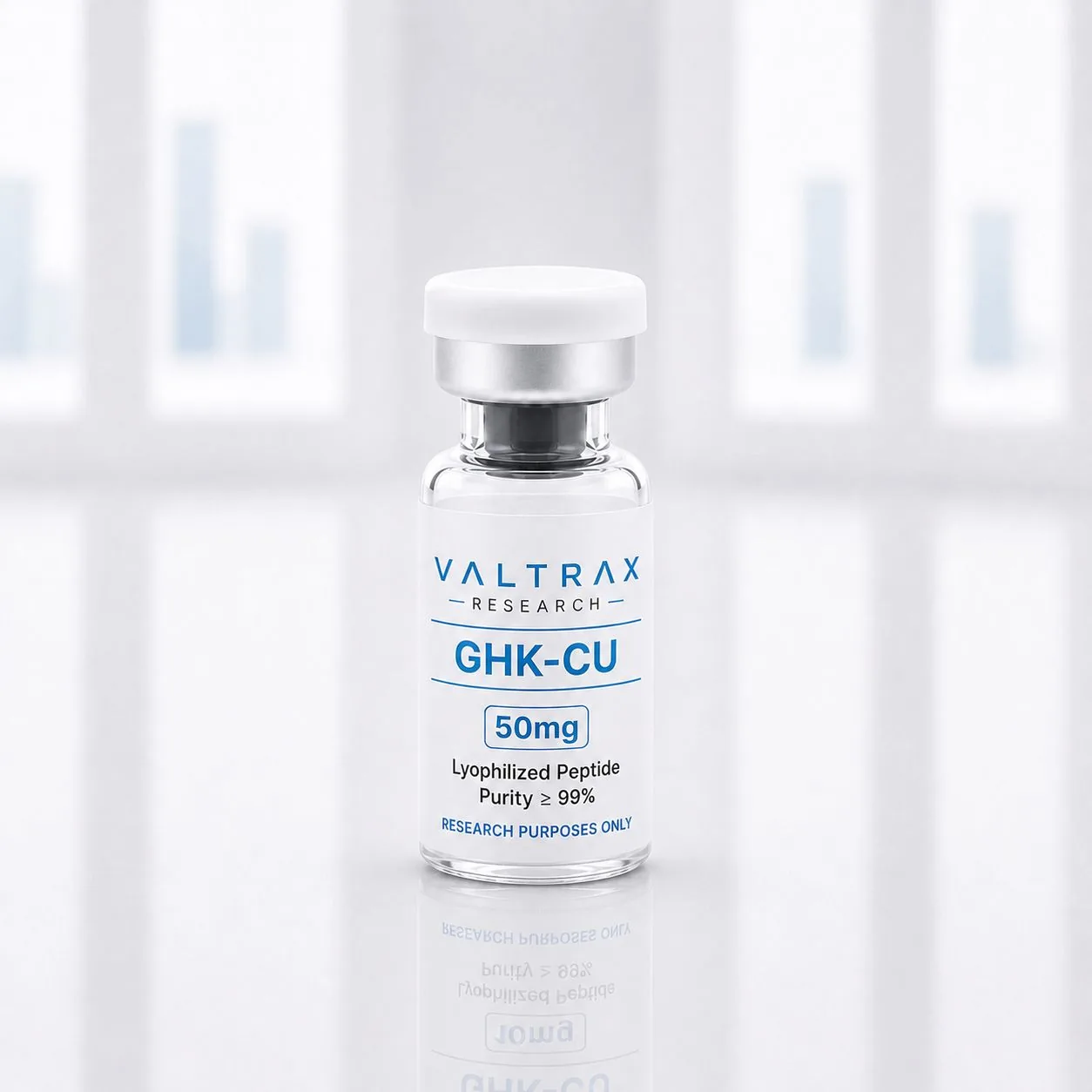
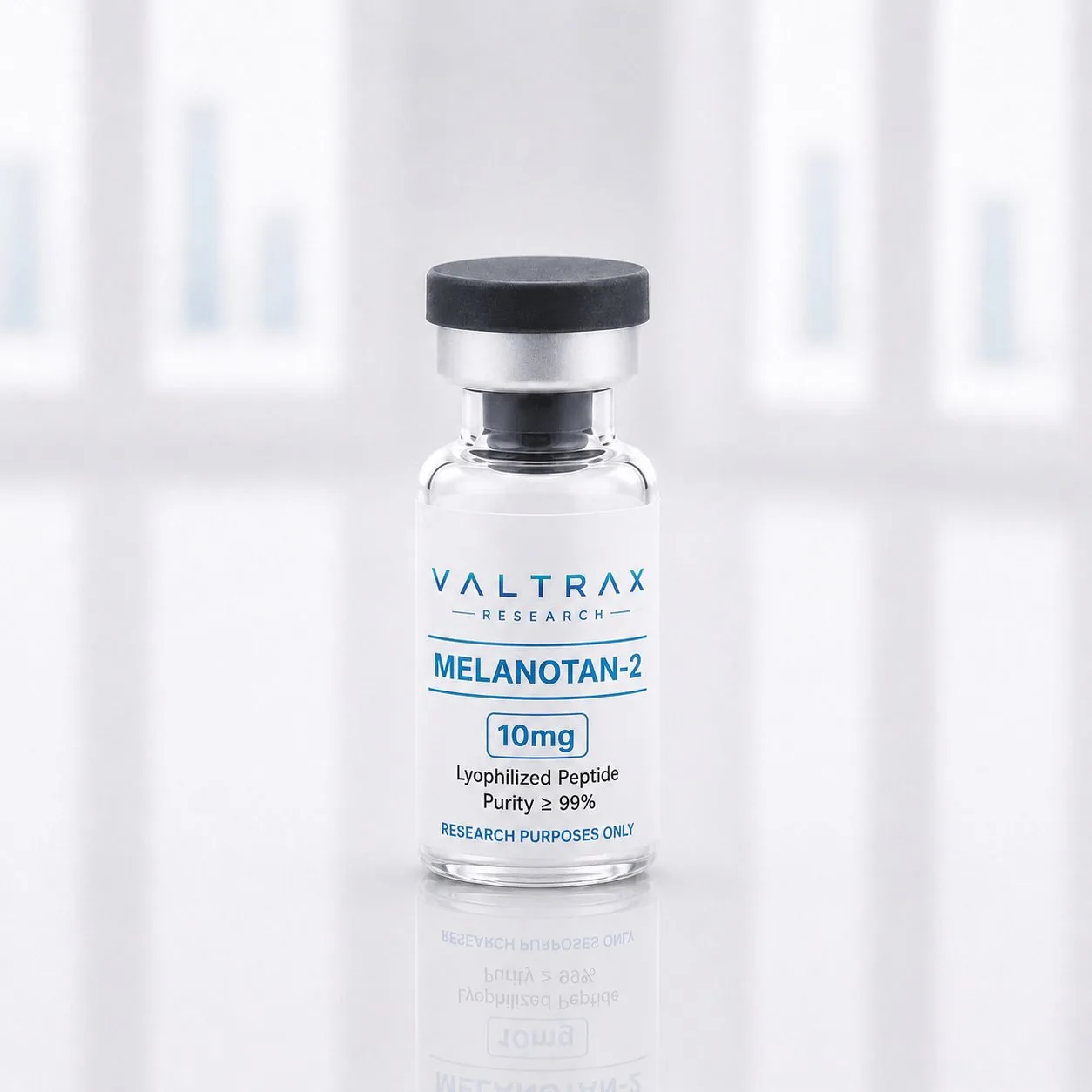
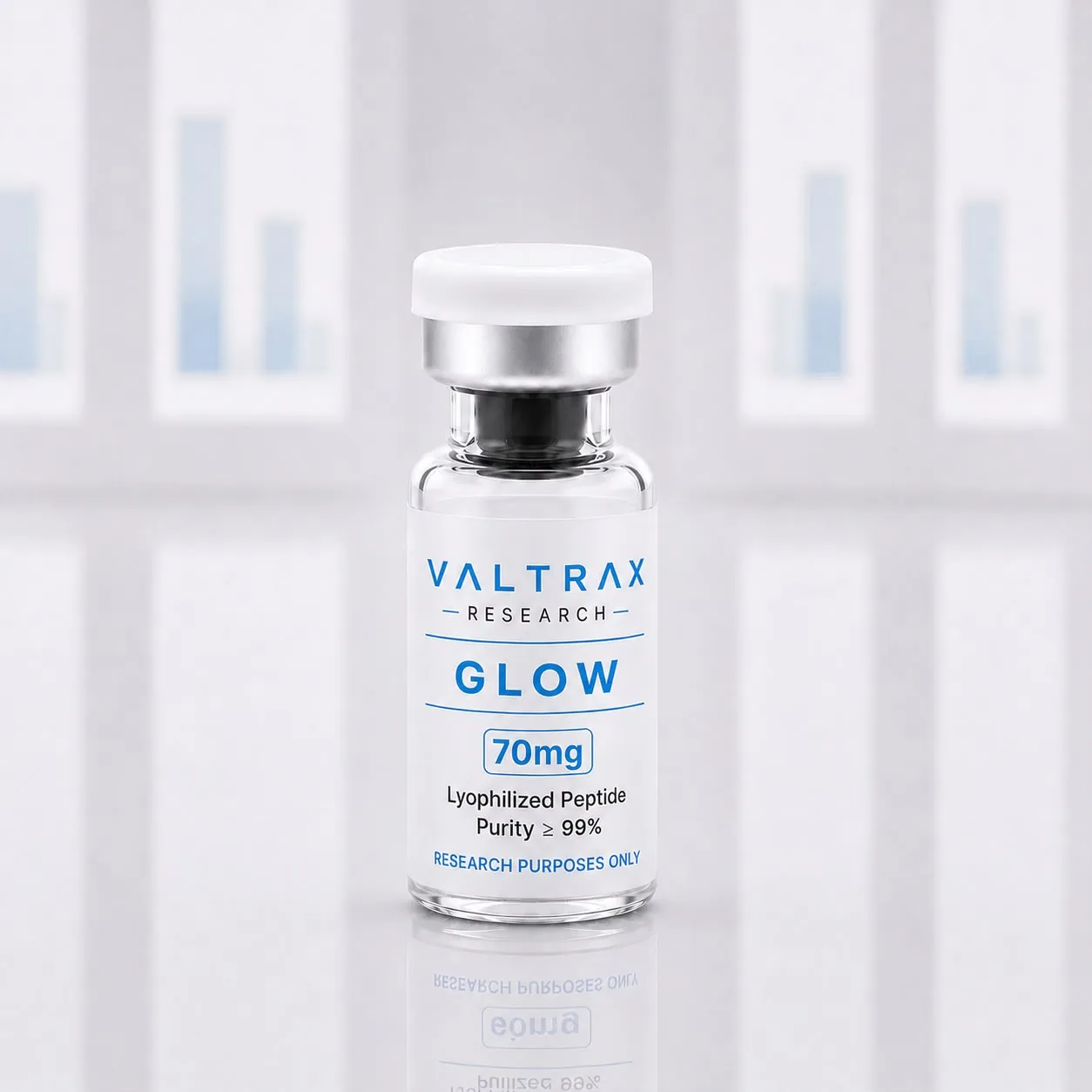
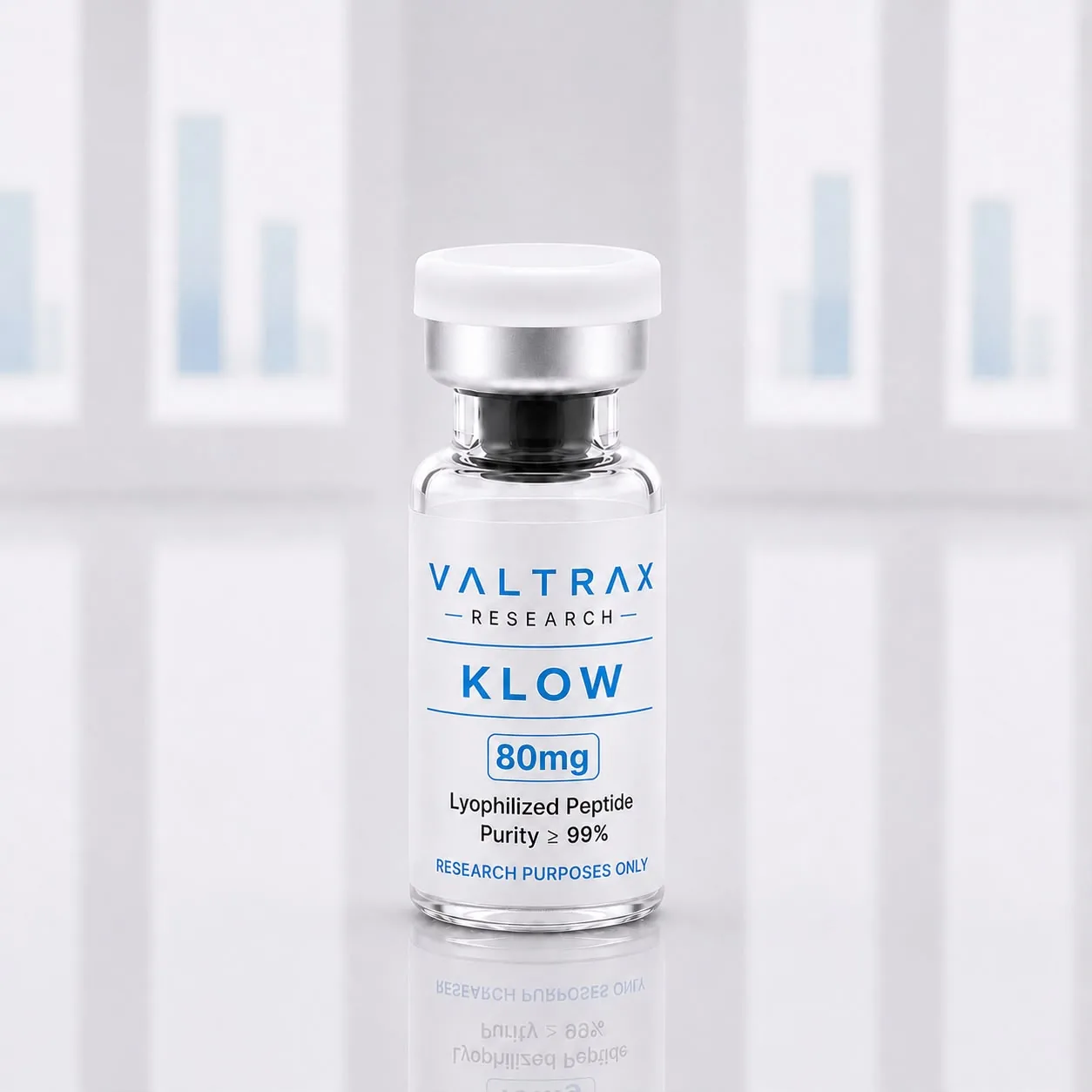
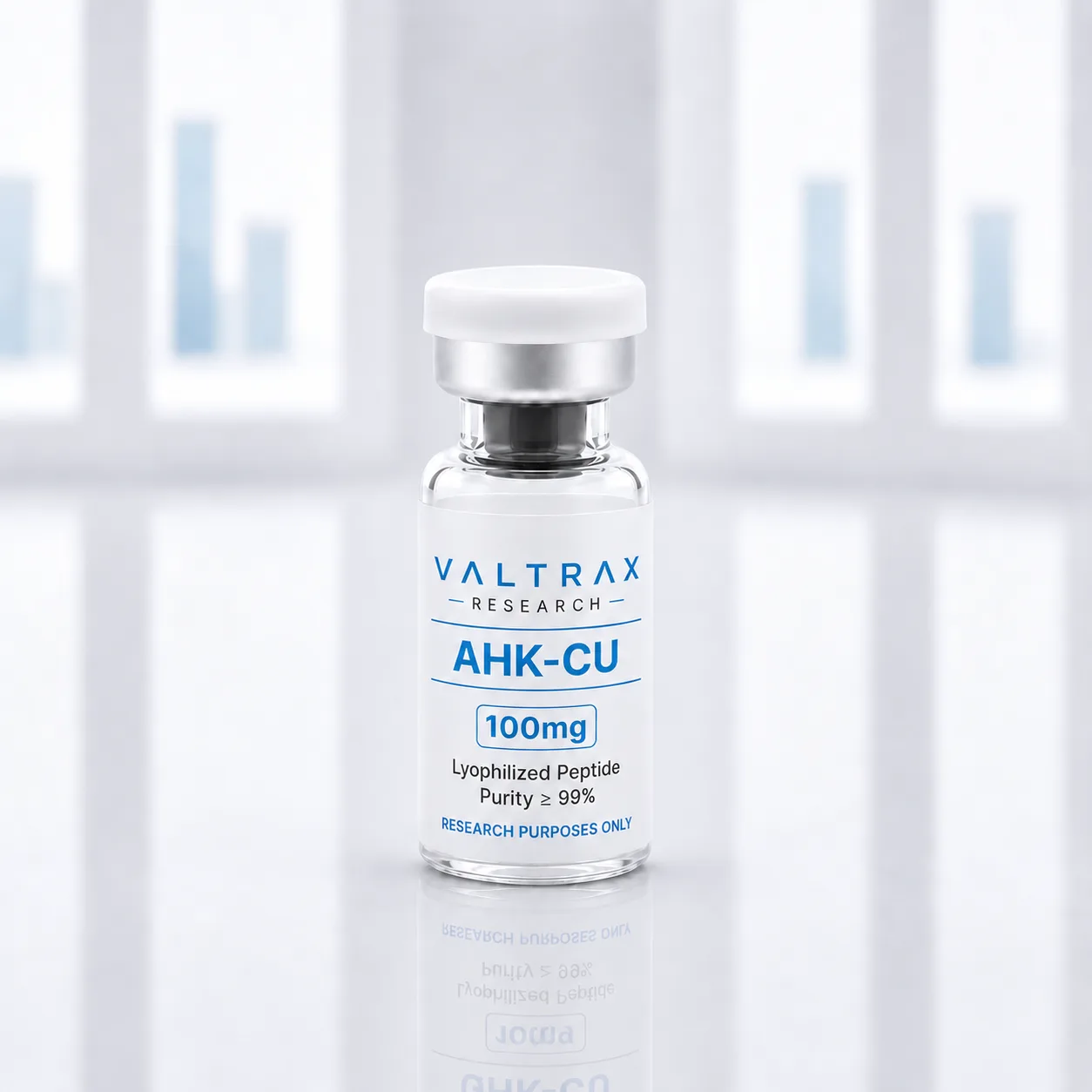
The cosmetic and dermatological peptide literature is older and better established than most of the research-peptide field, largely because copper peptides have been studied since the 1970s. GHK-Cu is the anchor of this shelf, with a published record covering collagen synthesis, wound remodelling and gene expression. Melanotan II appears here for its melanogenesis literature, and the GLOW and KLOW preparations combine GHK-Cu with repair peptides. Every lot is identity-confirmed and purity tested before listing.

GHK-Cu and the copper peptide record

GHK is a naturally occurring tripeptide with high affinity for copper(II), first isolated from human plasma, where its concentration falls markedly with age. The copper complex is the active form in most of the published work. Its research record is genuinely broad: collagen and glycosaminoglycan synthesis in fibroblast culture, antioxidant activity, and a well-cited gene-expression study reporting that GHK-Cu resets expression across a large number of human genes toward a younger profile. Dermatological work covers skin firmness and photodamage; separate literature covers wound remodelling and hair follicle activity.

Melanogenesis and pigmentation research

Melanotan II is a non-selective melanocortin agonist whose primary documented action is at MC1R on melanocytes, where it stimulates eumelanin synthesis. The original research interest was photoprotection — the hypothesis being that inducing pigmentation without ultraviolet exposure reduces DNA damage. Because the compound is non-selective it also engages MC3R and MC4R, producing the appetite and sexual-function effects documented on our melanocortin shelf. It appears in both places because its literature genuinely spans both subject areas.

Combination preparations

GLOW and KLOW are prepared blends built around GHK-Cu together with repair peptides. The rationale in the literature that combines these sequences is mechanistic complementarity — GHK-Cu drives matrix synthesis and gene expression, while BPC-157 and TB-500 act on angiogenesis and cell migration. Blends are convenient for a single research protocol but make dose attribution harder, since any observed effect cannot be assigned to one component. Where an experiment needs a clean variable, the single compounds are the better choice.

Questions

Skin & Cosmetic peptides — common questions

What is GHK-Cu studied for?
GHK-Cu is a copper-binding tripeptide whose published research covers collagen and glycosaminoglycan synthesis, antioxidant activity, wound remodelling and broad changes in human gene expression. It has one of the longest research records of any peptide, dating to the 1970s.
Why does GHK-Cu need copper?
The GHK tripeptide has very high affinity for copper(II), and the copper complex is the form used in most of the published work. The copper ion participates directly in the enzymatic activity the research describes.
What is the difference between GLOW and KLOW?
Both are prepared blends built around GHK-Cu combined with repair peptides. They differ in composition — KLOW includes KPV alongside the other components. See each product page for the exact sequence content of the preparation.
Are cosmetic peptides purity tested too?
Yes. Every lot on every shelf goes to Janoshik Analytical for identity confirmation by mass spectrometry and purity quantification by RP-HPLC at 99% or better.
Laboratory Use Only

Everything Valtrax Research ships is bench material for in-vitro work. None of it is a drug, a supplement, a cosmetic, or a medical device, and none of it is intended for human or animal use, ingestion, or administration. Placing an order is your confirmation that you are a qualified researcher buying for lawful research, under every Canadian law and regulation that applies to you.