

Valtrax Research is opening — leave your email and we'll ping you the moment the first compounds are listed.

Every lot tested by Janoshik Analytical

02 / Shelf

Tissue Repair & Cytoprotection Peptides

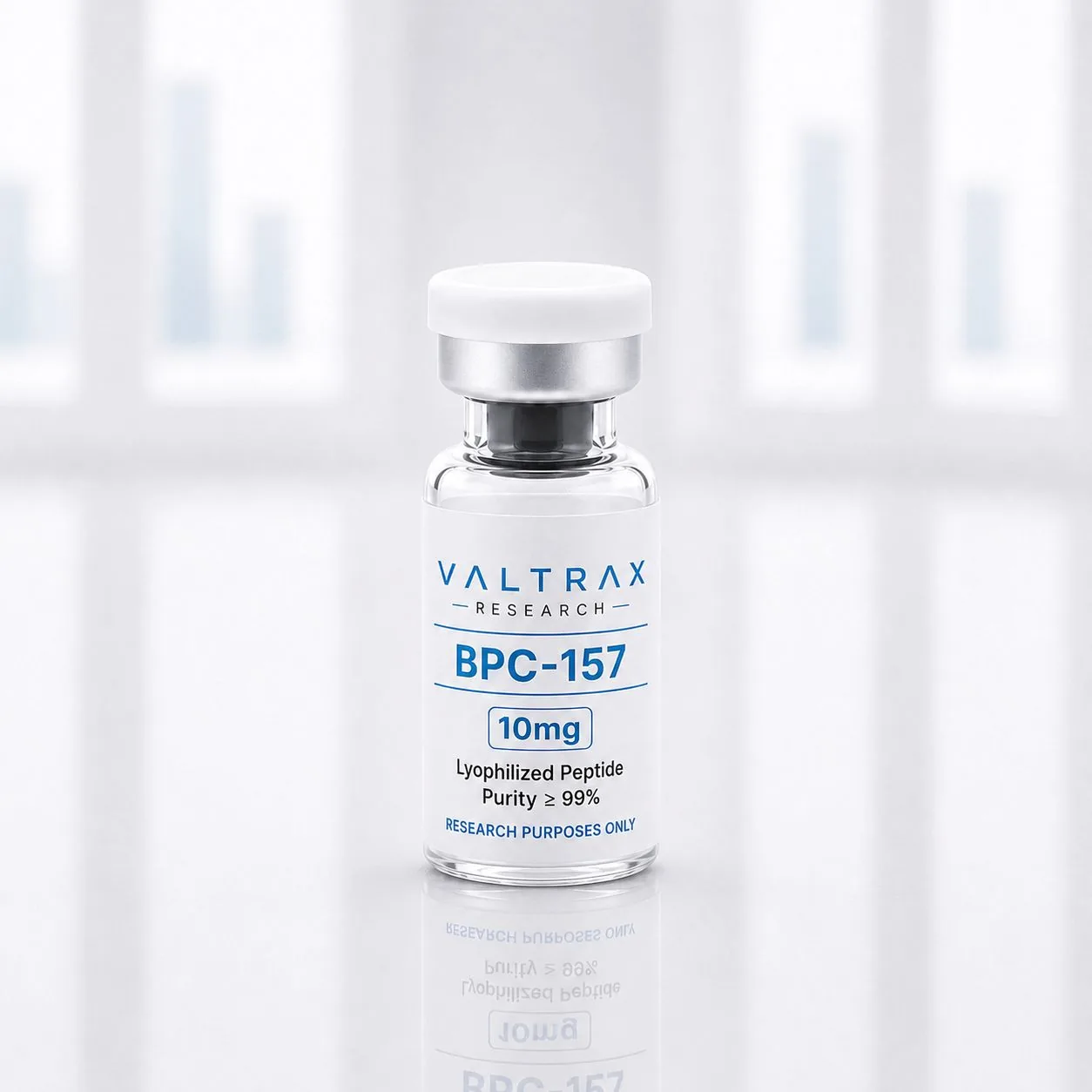
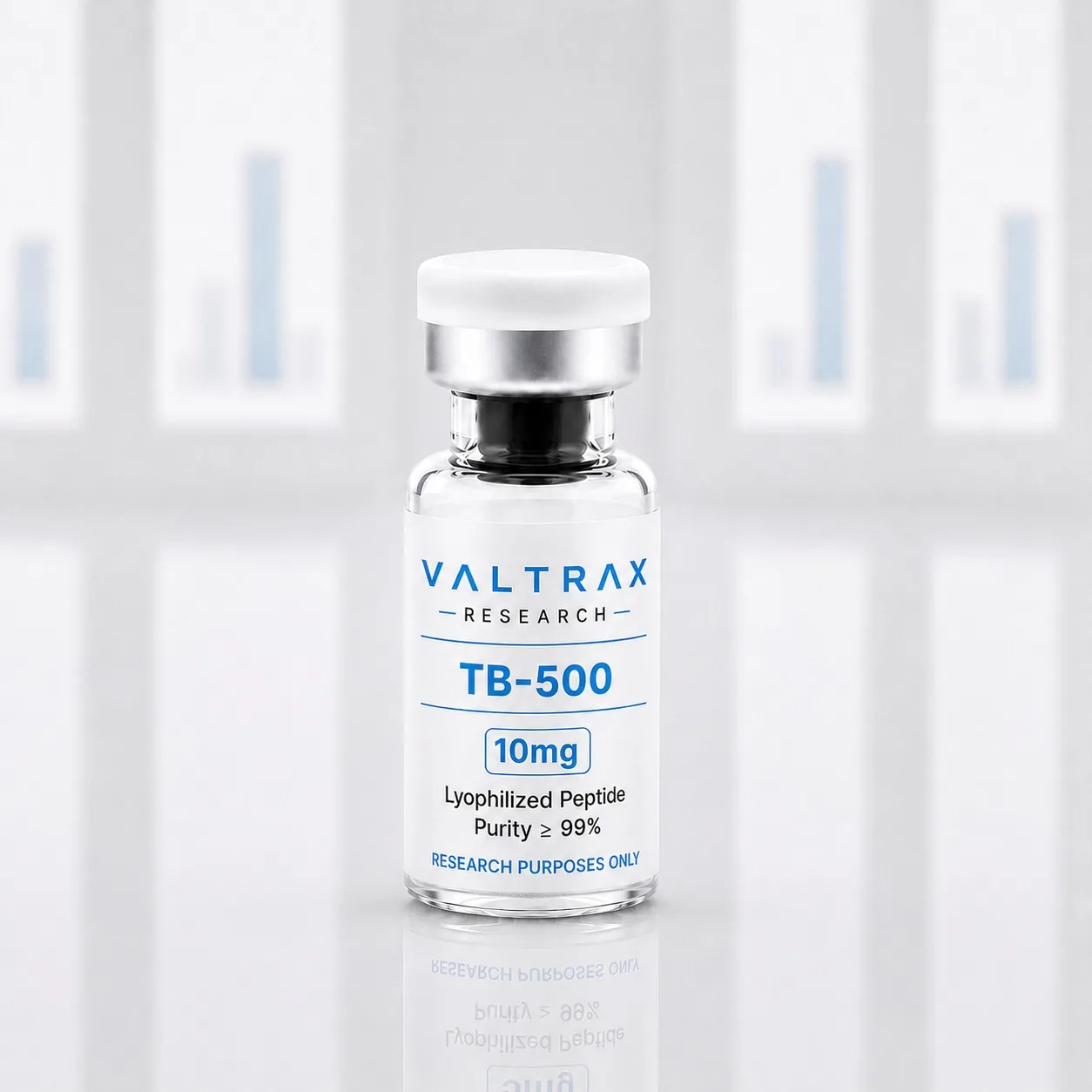
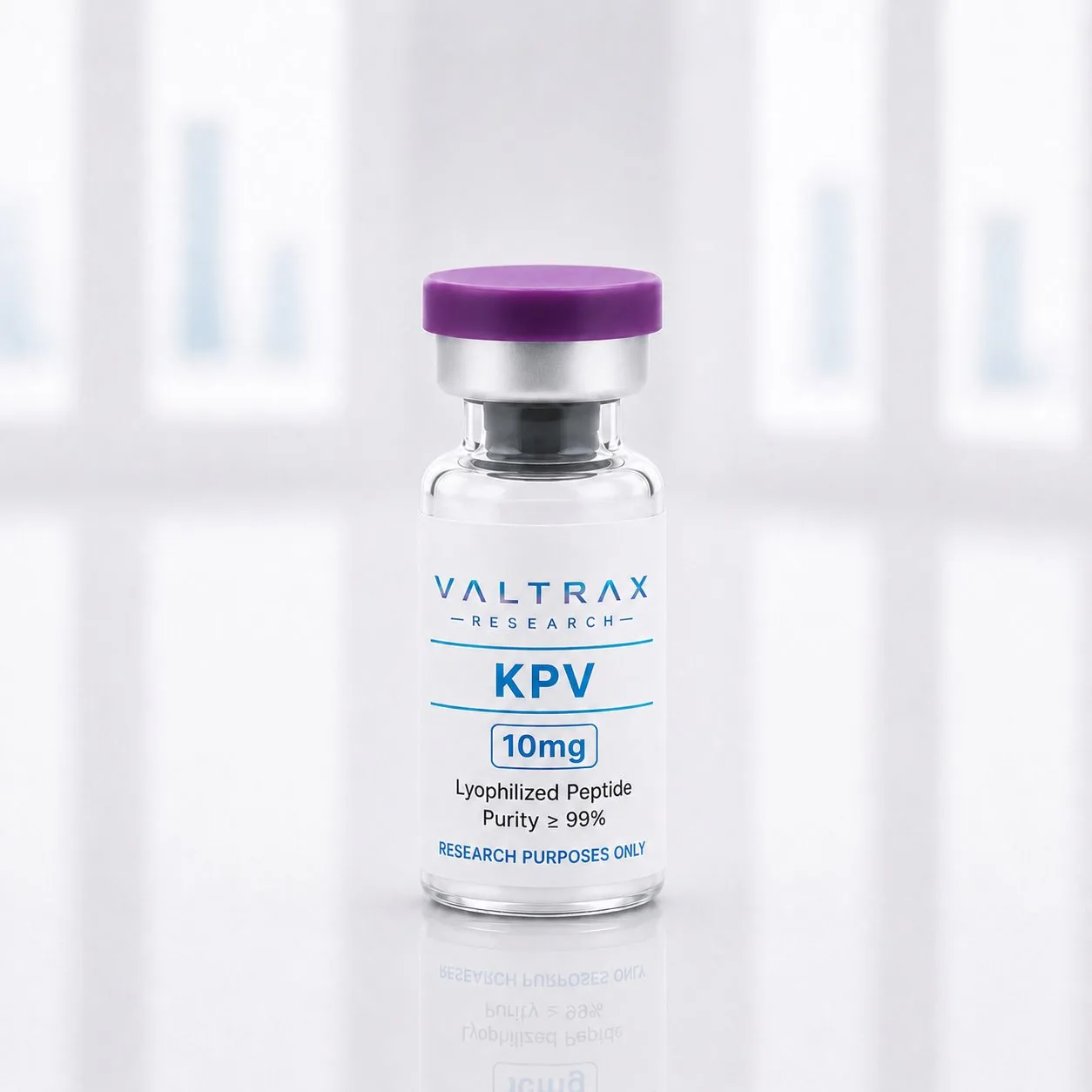
This is the shelf people arrive at looking for healing peptides or recovery peptides. BPC-157, TB-500 and KPV are the three most-published cytoprotective sequences, and the research around them concerns angiogenesis, fibroblast migration, extracellular-matrix remodelling and mucosal integrity. The animal-model literature on tendon, ligament and gastrointestinal tissue is substantial; the human literature is thin, which is precisely why these remain research compounds. Each lot is identity-confirmed and purity tested at 99% or better before it lists.

BPC-157 and the gastric pentadecapeptide literature

BPC-157 is a synthetic fragment of a protein sequence isolated from gastric juice. Its published record is unusually broad for a research peptide — rodent studies cover tendon-to-bone healing, ligament repair, gastrointestinal mucosal protection and, separately, an interaction with nitric oxide and dopamine signalling pathways. What the literature consistently reports is an angiogenic and cytoprotective effect rather than an anabolic one. Oral, intraperitoneal and local administration routes all appear in the published work, and they do not produce equivalent results, so route matters when you are reading a paper.

TB-500, thymosin beta-4 and actin regulation

TB-500 is the synthetic peptide corresponding to the active region of thymosin beta-4, a naturally occurring actin-sequestering protein. Because actin dynamics underlie cell migration, the research covers wound closure, corneal repair and cardiac tissue after ischemic injury. It is frequently studied alongside BPC-157 — the two have distinct mechanisms, which is the stated rationale in papers that combine them, and the reason a combined BPC-157/TB-500 preparation appears on our blends shelf. KPV, the C-terminal tripeptide of alpha-MSH, rounds out the shelf with a literature focused on the inflammatory side rather than the structural one.

Purity, identity and why it matters here

Short peptides like KPV are cheap to synthesize and correspondingly easy to misrepresent, and BPC-157 has been the subject of repeated independent testing showing wide quality variation across suppliers. Every Valtrax lot goes to Janoshik Analytical for identity confirmation by mass spectrometry and purity quantification by RP-HPLC, and we publish nothing until the result is in hand. The number on the paperwork corresponds to the vial in the box rather than to a representative sample.

Questions

Tissue Repair & Cytoprotection peptides — common questions

What are healing peptides?
It is an informal term for peptides whose published literature concerns tissue repair — principally BPC-157, TB-500 and KPV. The research examines angiogenesis, cell migration and extracellular-matrix remodelling in animal models. These are laboratory research compounds and are not for human or animal use.
What is the difference between BPC-157 and TB-500?
They act through unrelated mechanisms. BPC-157 is a gastric pentadecapeptide with an angiogenic and cytoprotective published profile. TB-500 corresponds to the active region of thymosin beta-4 and is studied for its effect on actin sequestration and cell migration. Papers that examine them together generally cite that mechanistic difference as the rationale.
Is BPC-157 stable once reconstituted?
Reconstituted BPC-157 should be kept at 2–8 °C and protected from light. Lyophilized powder is considerably more stable and can be stored frozen for long periods. Avoid shaking the vial — agitation degrades peptides of this size.
How is purity verified?
Janoshik Analytical tests each lot independently, confirming identity by mass spectrometry and purity by RP-HPLC at 99% or better.
Laboratory Use Only

Everything Valtrax Research ships is bench material for in-vitro work. None of it is a drug, a supplement, a cosmetic, or a medical device, and none of it is intended for human or animal use, ingestion, or administration. Placing an order is your confirmation that you are a qualified researcher buying for lawful research, under every Canadian law and regulation that applies to you.