Valtrax Research is opening — leave your email and we'll ping you the moment the first compounds are listed.
Every lot tested by Janoshik Analytical


Cart
Your cart is empty
Find
Valtrax Research is opening — leave your email and we'll ping you the moment the first compounds are listed.
Your cart is empty
Gly-His-Lys tripeptide · copper(II) complex
Copper peptide GHK-Cu (glycyl-L-histidyl-L-lysine copper complex). A naturally occurring tripeptide-copper complex. Supplied as a lyophilized powder for research purposes only.
Catalog opens shortly. Leave your address and we will ping you the moment this compound is orderable.
Tested lot by lot at ≥99% purity. The Janoshik certificate for your lot is emailed with the order.
Everything Valtrax Research ships is bench material for in-vitro work. None of it is a drug, a supplement, a cosmetic, or a medical device, and none of it is intended for human or animal use, ingestion, or administration. Placing an order is your confirmation that you are a qualified researcher buying for lawful research, under every Canadian law and regulation that applies to you.
Gly-His-Lys, clamped around a copper(II) ion. Treat the metal as structural, not optional: the histidine imidazole and the backbone nitrogens coordinate the copper into a square-planar complex, and across the literature it is that complex — never the naked tripeptide — that registers activity.
The peptide is endogenous. It runs in human plasma at roughly micromolar levels in youth and tapers with age, and that decline is what first drew researchers to it. The copper it ferries is the thread connecting GHK to the collagen and matrix-remodeling work it is identified with.
The firmest data sit in connective tissue — collagen and glycosaminoglycan synthesis in fibroblast culture, and faster matrix accumulation in rodent wounds. A second line treats GHK as a transcriptional lever, reporting shifts across hundreds of genes weighted toward repair and antioxidant defense. Copper handling underwrites both.
The compound was a side discovery. Pickart, working in the early 1970s on a plasma factor that kept aged liver tissue functional in culture, narrowed the activity to a glycyl-histidyl-lysine fraction and found it bound copper avidly — the metal affinity surfaced from the same line of work. The story then turns to connective tissue.
Maquart anchors that turn: fibroblast culture and rat-wound papers in which the complex lifted collagen and glycosaminoglycan output. Pickart’s later reviews open the aperture onto gene-expression and antioxidant readouts, but the copper-driven matrix account is still the load-bearing column of the literature.
GHK entered the record as a behavior, not a molecule — a plasma fraction that put function back into old tissue in culture. Resolving it to the glycyl-histidyl-lysine tripeptide, and then catching the copper it travels with, is the step that converted that behavior into a defined reagent.
What followed leaned hard on wound and connective-tissue preparations, and GHK-Cu has held its place as the reference copper peptide for that work ever since.
In vitro and animal studies
GHK is a tripeptide — glycyl-L-histidyl-L-lysine — isolated from human plasma in the early 1970s, where it was identified by its activity in promoting the function of cultured liver tissue. It has exceptionally high affinity for copper(II), and the resulting complex, GHK-Cu, is the active form in most published work. Plasma GHK concentration falls markedly with age, from roughly 200 ng/ml in young adults to well under half that by the sixth decade — the observation that anchors the compound's research framing.
The preclinical record is unusually long and unusually broad. Fibroblast culture studies report increased synthesis of collagen, elastin, glycosaminoglycans and proteoglycans. Wound-healing models describe accelerated closure with improved remodelling rather than simple scar formation. Separate work covers antioxidant and anti-inflammatory activity, and modulation of matrix metalloproteinases and their inhibitors, which governs whether matrix is being built or broken down.
A frequently cited gene-expression study reported that GHK-Cu shifts expression across a large fraction of human genes, with a pattern described as resetting toward a healthier profile.
Human data, where it exists
GHK-Cu has more human data than most compounds here, though almost all of it is topical and cosmetic rather than systemic.
Controlled and semi-controlled dermatological studies of copper peptide creams have reported improvements in skin density, elasticity, fine lines and photodamage, with some work comparing favourably against vitamin C and retinoic acid comparators. Studies on wound healing and on hair follicle stimulation exist. GHK-Cu is an established cosmetic ingredient with real regulatory standing in that category, which is a meaningfully different position from an unapproved research chemical.
What has not been established is systemic administration. There are no controlled human trials of injected GHK-Cu for skin, joint, lung or any systemic indication. The cosmetic evidence base was generated with topical formulations delivering the peptide to the dermis locally, and it does not transfer to a systemic route.
Common assertions, and what the record supports
The claim that GHK-Cu stimulates collagen synthesis is well supported in cell culture and reasonably supported by topical human studies. This is one of the better-evidenced claims in this catalogue.
The gene expression finding is real and frequently overstated. Reporting that a compound alters expression of a large number of genes in cultured cells is a description of biological activity, not a demonstration of benefit — many things alter gene expression broadly, and the direction described as younger was an interpretation applied to a pattern.
The claim requiring most caution concerns route. Topical evidence is being used to support injection, and the mechanism argues against the transfer: GHK-Cu works locally in the dermal matrix, and systemic administration distributes a copper-binding peptide throughout the body rather than concentrating it where the cosmetic studies delivered it.
Claims of systemic anti-ageing effects rest on the plasma decline observation, which is correlation.
Against the compounds it is most often confused with
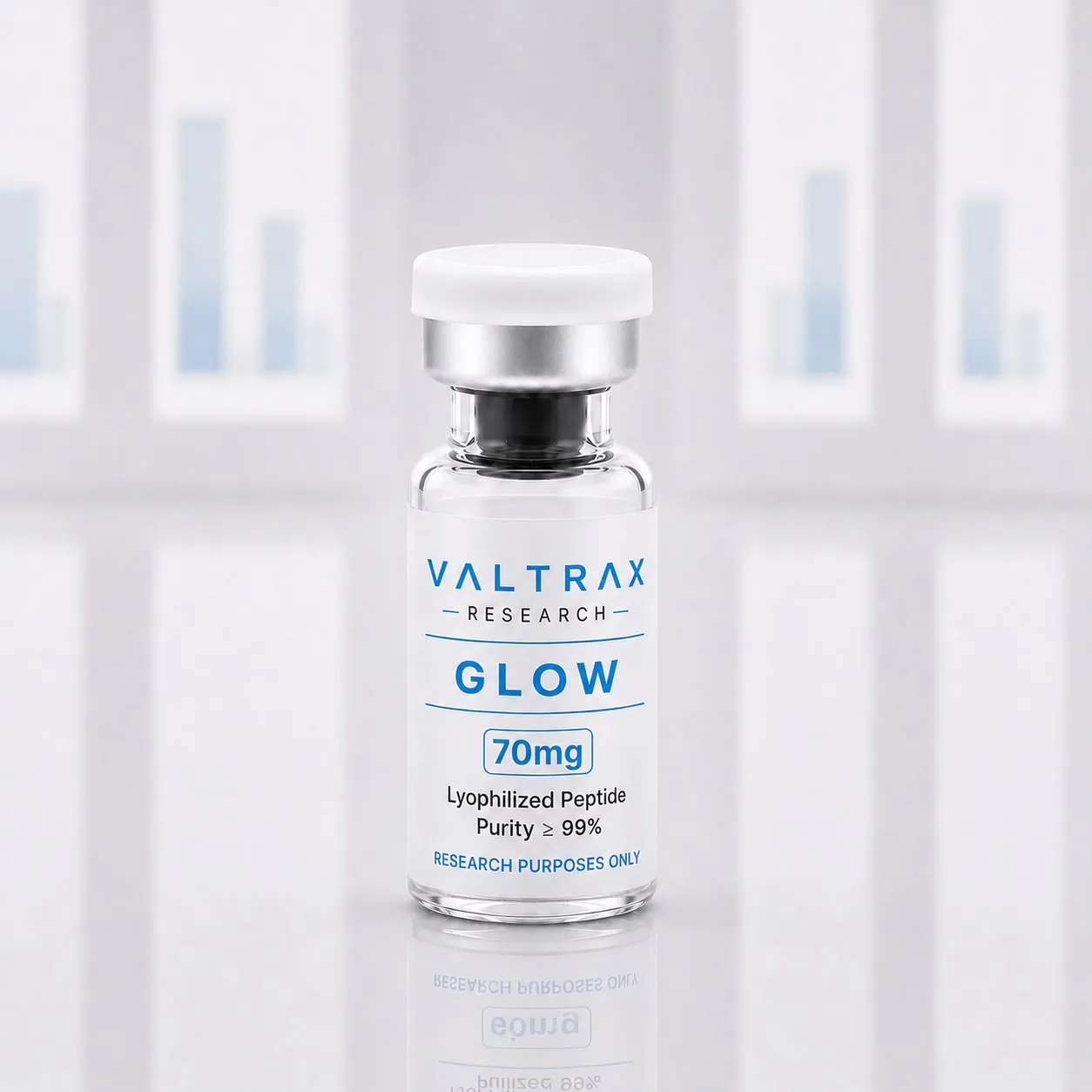
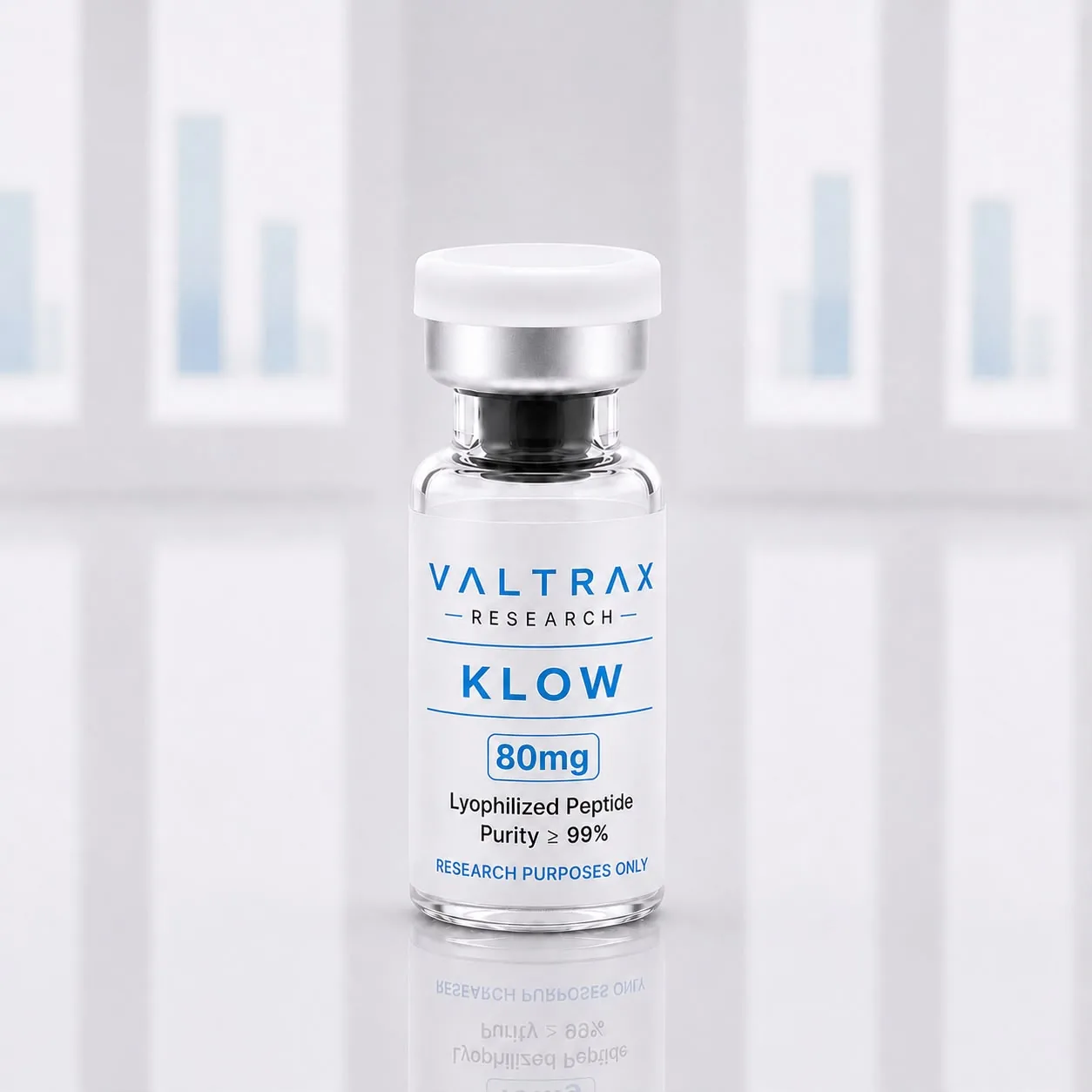
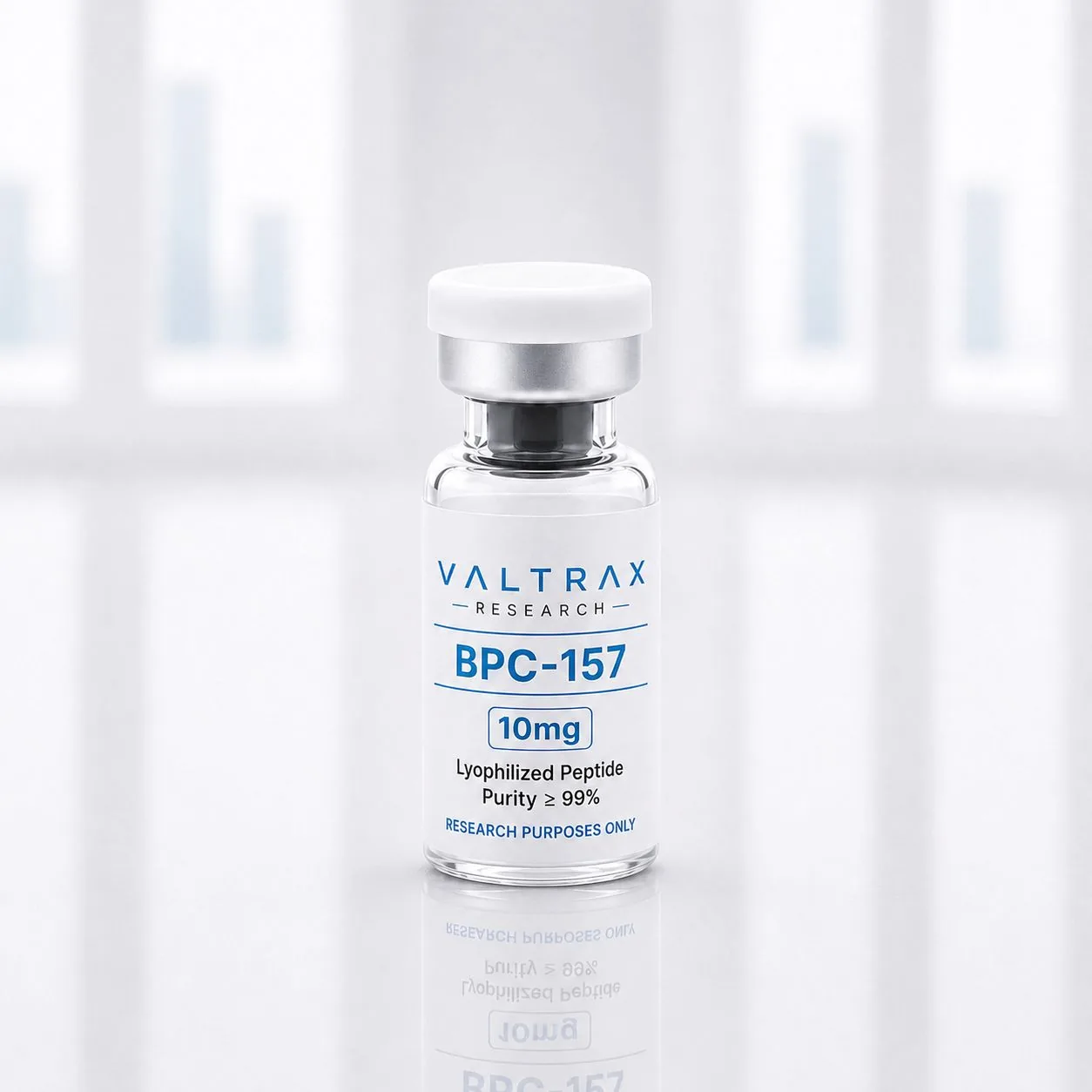
Against BPC-157 and TB-500, the mechanisms are complementary rather than overlapping, which is exactly why they appear together in the GLOW and KLOW preparations. GHK-Cu drives matrix synthesis directly — collagen, elastin, glycosaminoglycans. BPC-157 contributes angiogenesis and TB-500 contributes cell migration. Building material, blood supply, and cell movement are three different requirements of tissue repair.
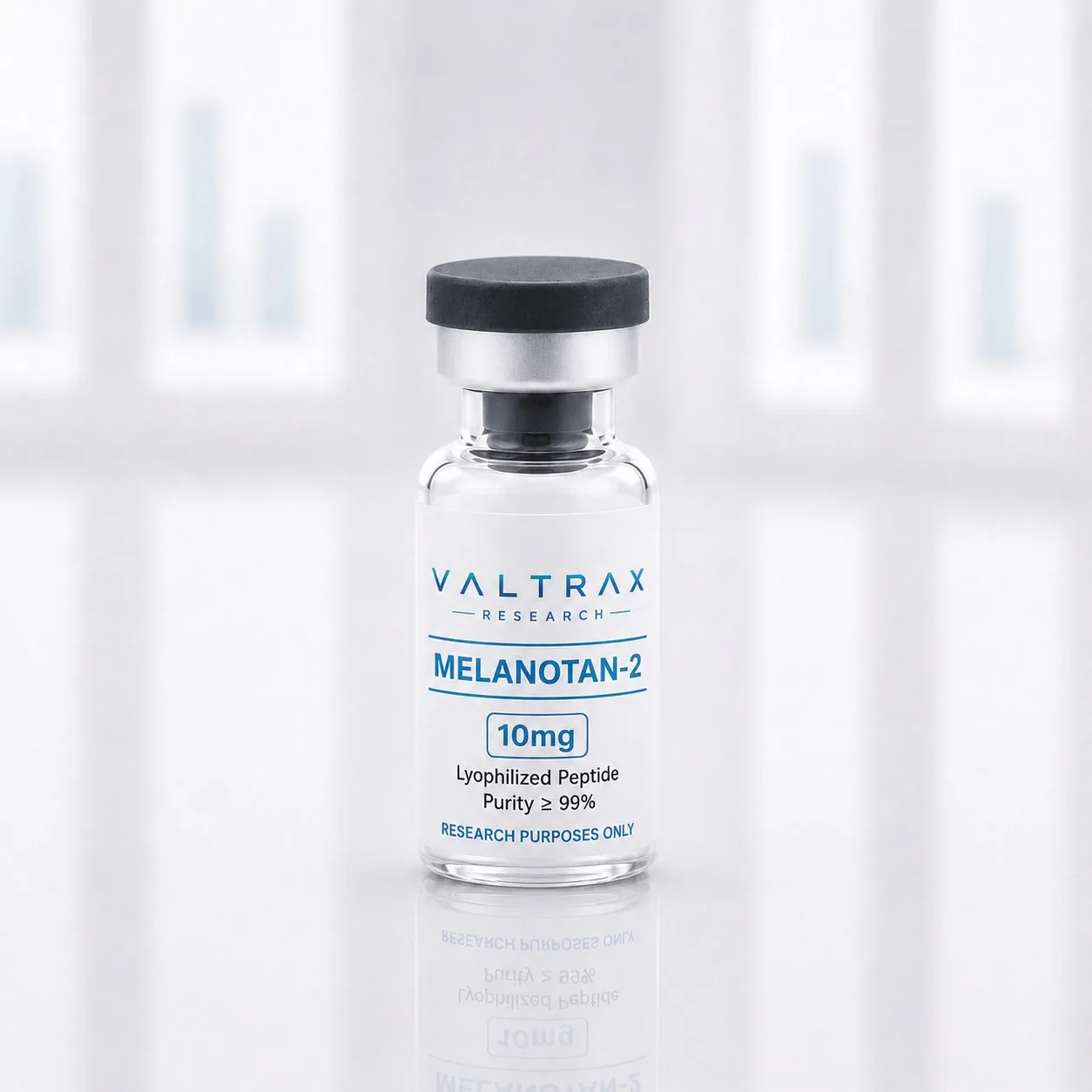
Against Melanotan II on the same shelf, both are studied dermatologically through entirely unrelated mechanisms: matrix remodelling in the dermis versus melanin production in melanocytes.
Against the copper question specifically, GHK-Cu differs from most peptides here in that the metal ion is not incidental. The copper participates directly in the enzymatic activity described, which is why the complex rather than the bare tripeptide is the studied entity and why copper handling is a real consideration.
Adverse findings, toxicology gaps, material hazards
The most compound-specific risk is copper. GHK-Cu delivers copper, and copper is an essential trace element with a narrow therapeutic window. Systemic copper accumulation causes real toxicity — gastrointestinal effects, hepatic injury, and in severe cases haemolysis and neurological effects. Individuals with Wilson disease or other disorders of copper handling are at particular risk. Topical cosmetic use delivers a small local quantity; repeated systemic administration is a categorically different exposure and the one for which no human safety data exists.
Copper also participates in Fenton chemistry, generating hydroxyl radicals in the presence of peroxide. The same redox activity underlying the compound's useful enzymatic effects can generate oxidative damage in the wrong context — which is why the literature describes both antioxidant and pro-oxidant behaviour depending on conditions.
Because GHK-Cu stimulates matrix synthesis and angiogenesis, the general caution around promoting growth-supporting processes applies.
Skin irritation and, less commonly, sensitisation are reported with topical use.
Bench practice for this compound
GHK-Cu ships as a copper complex and is distinctly blue, which is a useful visual indicator: colour loss or change suggests the complex has dissociated or degraded.
Reconstitute with bacteriostatic water directed against the vial wall and swirl gently. Protect from light, and avoid contact with strong chelating agents or reducing agents, which will strip or reduce the copper and destroy the active complex. Store reconstituted material at 2–8 °C in the dark, observe the stated working window, and keep unopened lyophilized powder frozen for long-term storage.
This summary describes published research. It is not a protocol, not a recommendation, and not a statement that this compound is safe or effective for any use. Not for human or animal use.
Maquart, F.X. et al. (1988). Stimulation of collagen synthesis in fibroblast cultures by the tripeptide-copper complex glycyl-L-histidyl-L-lysine-Cu2+.
PubMedMaquart, F.X. et al. (1993). In vivo stimulation of connective tissue accumulation by the tripeptide-copper complex glycyl-L-histidyl-L-lysine-Cu2+ in rat experimental wounds. J Clin Invest 92(5):2368–2376.
PubMedPickart, L. et al. (2015). GHK Peptide as a Natural Modulator of Multiple Cellular Pathways in Skin Regeneration.
PubMedJanoshik Analytical measures identity, purity, and net content, lot by lot.
Janoshik Analytical, a laboratory Valtrax does not own, runs the testing — identity by mass spectrometry, purity by RP-HPLC at ≥99%, on the lot you receive.
Same Shelf